

This post may contain affiliate links, including Amazon affiliate links. As an Amazon Associate, I earn from qualifying purchases — at no extra cost to you.
Discover how to identify your worst habit, stop self-sabotage, and finally build routines that last — using the Kingpin Method
Back in the day, loggers had a clever system. They’d cut trees high up in the mountains, then use the rivers to transport them downstream. Gravity and flowing water did all the heavy lifting – until something went wrong.
Picture this: thousands of logs floating down a river, suddenly jamming up completely. Water backs up. Nothing moves. The entire logging operation grinds to a halt.
It’s not every log causing the problem. It’s usually just one. The loggers call it the “kingpin.” Remove that single log and just like that, everything flows.
Your life works the same way.
We spend so much time trying to add good habits. Exercise more. Eat better. Read daily. Meditate. Wake up earlier. The list goes on. But what if the real problem isn’t what you’re not doing? What if it’s that one thing you ARE doing that’s blocking everything else?
Why Most Habit Changes Fail (The Real Problem)
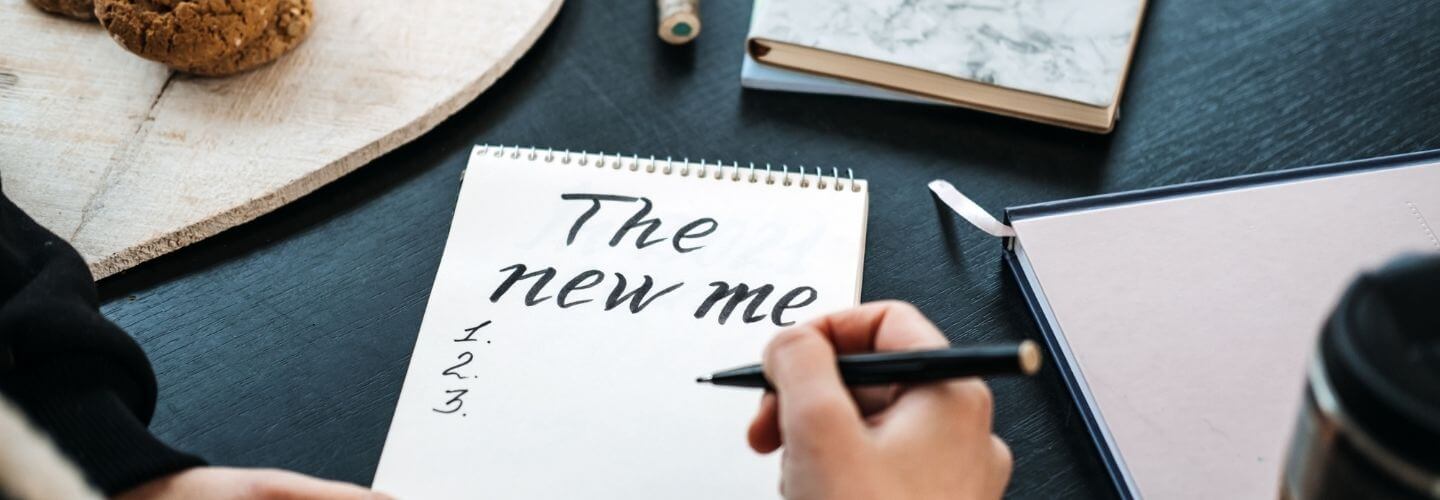
I used to be the Queen of habit stacking. New Year would roll around and I’d create this “new me” list. This year I’m going to work out every day, meal prep on Sundays, read for an hour each morning, journal before bed, and oh – I’ll also learn French.
Sound familiar?
The thing is, it never worked. I’d last maybe two weeks before everything fell apart. And I couldn’t figure out why. I had the motivation, the plan and even had the apps to track everything.
What I didn’t realize was that I was trying to build a dam while the river was still blocked upstream. All that energy I was putting into new habits? It was being drained by the habits I wasn’t addressing.
The real secret is: bad habits don’t just waste your time. They actively work against you. They’re energy vampires, sucking the life out of your best intentions.
You can’t out-habit a bad habit.
How Bad Habits Destroy Your Daily Routine (The Domino Effect)
Some bad habits are worse than others. Way worse. These are what I call kingpin habits – the ones that don’t just hurt you in one area, but create a domino effect across your entire life.
Take endless phone scrolling. Seems harmless enough, right? But follow the chain reaction. You scroll late into the night. Your sleep gets messed up. You wake up groggy. Skip your workout because you’re tired. Grab fast food because you’re running late. Feel sluggish at work. Come home exhausted. Scroll to “decompress.” And the cycle continues.
One habit. Multiple casualties.
The scariest part? These kingpin habits are sneaky. We often focus on the symptoms – why am I always tired, why can’t I focus, why do I feel behind – instead of identifying the root cause habit that’s creating all the chaos.
How to Identify Your Worst Habit (The One Blocking Everything)
So how do you spot your kingpin habit? Here’s where to start looking. (I’ll share mine below)
Ask yourself: What habit makes you feel the worst about yourself? Not disappointed, but genuinely ashamed or frustrated. That’s usually your first clue.
Here’s a simple exercise. Track your energy for 48 hours. Not your activities – your energy. Note when you feel charged up and when you feel drained. Look for patterns. Often, you’ll notice that certain habits consistently leave you feeling depleted.
The shame test is brutal but effective. Your kingpin habit is often the one you’re most defensive about. The one where you say things like “I don’t do it that much” or “I can stop anytime” or “Everyone does it.”
Common kingpin habits I see:
- Morning momentum killers: Checking your phone the second you wake up, hitting snooze repeatedly, scrolling social media in bed or playing candy crush obsessively.
- Evening energy drains: Binge-watching Netflix until midnight, doom-scrolling news, drinking wine to “relax”
- Stress amplifiers: Saying yes to everything, perfectionist overthinking, comparing yourself to others on social media
- Relationship saboteurs: Being constantly distracted during conversations, bringing work stress home, avoiding difficult conversations
My Own Kingpin Habit (And How It Derailed Everything)
My kingpin habit that I was very defensive about was having a glass of wine at the end of the work day. On the surface it’s not really a bad habit, it was just one glass and I needed to decompress. However over time this is what I noticed.
When I enjoyed my glass of wine, I would have munchies, so along with it I would enjoy salty snacks which were my kryptonite. Sometimes the one glass would turn to one and a half maybe two, especially after a stressful day. This would lead to disruption in my sleep, the next day I would wake up groggy and skip my meditation and morning journaling and my workout routine became inconsistent. With my morning routine out of the window the rest of the day was pretty much reactive.
In a few months, the weight gain was undeniable. I was more cranky and unfocused and no amount of trying to add good habits to my routine worked because they would all get derailed by this one habit of drinking a glass of wine at the end of my day.
I was in denial and quite defensive but the facts were indisputable. This habit was the kingpin habit that was creating the blockage from good habits taking root.
How to Break Bad Habits That Won’t Go Away (4-Step Strategy)
Here’s where it gets interesting. Removing a bad habit requires a completely different approach than building a good one.
First, you’ve got to understand what you’re really getting from this habit. Every habit serves a purpose, even the destructive ones. You’re not scrolling your phone because you love advertisements. You’re seeking stimulation, connection, or escape.
Once you know the real reward, you can start to disrupt the pattern.
Step 1: Change your environment. Make the bad habit harder to do. If you scroll your phone at night, put it in another room. Binge Netflix, remove the apps from your TV.
Step 2: Replace, don’t eliminate. Nature abhors a vacuum, and so do habits. If you just try to stop doing something without replacing it, you’ll feel like you’re missing out. Find a healthier way to get the same reward.
Step 3: Identify your trigger patterns. When does this habit show up? What emotions or situations trigger it? For most people, it’s stress, boredom, loneliness, or exhaustion. Once you know your triggers, you can plan alternative responses.
Step 4: Focus on identity, not behavior. Instead of “I’m trying to quit scrolling,” try “I’m someone who protects their mental energy.”
The first month is going to be rough. Your brain will protest. You’ll have moments where you feel like you’re missing out or depriving yourself of something important. This is normal. Push through it.
In my case, I needed to replace the wine with something soothing. Drinking coffee that late would not be good for my sleep, I needed a good replacement. I turned to a creamy matcha tea that tastes so good it feels like a cheat treat. The wine I saved for the weekends.
What Happens When the Log Breaks Free
Once you remove your kingpin habit, everything else starts to flow naturally.
My friend had been complaining of insomnia for several months and tracked down her issue to playing candy crush on her phone. She was able to reduce her “play time” and her sleep improved.
One habit removal leads to multiple positive changes.
It’s not magic. It’s just that all the energy that was being drained by the destructive habit suddenly becomes available for better things. Your willpower isn’t being constantly depleted by fighting with yourself.
The good habits you’ve been trying to force suddenly feel easier because you’re not swimming against the current anymore.
Sometimes you don’t even have to consciously build new habits. They just emerge naturally when the blocking habit is gone. Remove the evening TV binge, and you might find yourself naturally drawn to reading or going for walks.
The Ultimate Approach
Now, I’m not saying keystone habits don’t work. They absolutely do. Adding one positive habit that triggers other positive changes is powerful.
But removal often has to come first.
Think about it like clearing a river. You could try to build a beautiful dam downstream while the logjam is still blocking everything upstream. Or you could clear the blockage first, let everything flow, and then build your dam.
The sequence matters.
Remove your kingpin bad habit first. Give it 2-3 months to become automatic. Then, when you’ve reclaimed your energy and momentum, add a powerful keystone good habit on top.
That’s when you get the one-two punch that creates real transformation.
The Liberation of Less
We live in a culture obsessed with more. More habits, more productivity hacks, more optimization. But sometimes the most powerful action you can take is stopping an action.
Sometimes you don’t need to add anything to your life. You need to subtract something.
Your kingpin habit – that one destructive pattern that’s creating a logjam in your progress – is probably more obvious than you think. It’s the thing you keep making excuses for. The behavior you’re slightly ashamed of. The habit that consistently leaves you feeling drained and defeated.
Here’s your challenge: identify it. Just one habit. The one that’s blocking everything else. And for the next 30 days, focus all your energy on removing it.
Don’t try to replace it with five good habits. Don’t create a complex system. Just remove the log that’s blocking the river.
Everything else will start to flow on its own.
You don’t need to move every log to clear the river. You just need to find the right one to remove.
What’s your kingpin habit? Share in the comments – I’d love to help you replace it.
💫 Related Reads
-
Gratitude – How to feel grateful when you really don’t
-
Radical Self-forgiveness – There is no one to forgive but yourself
